
Our blog trilogy wraps up with a look at how African safaris connect with real estate imagery. Enjoy the captivating visualizations!

African safaris and real estate imagery might seem worlds apart, yet they share surprising parallels that influence how we perceive and present spaces. This final post in our trilogy uncovers how the raw beauty and storytelling of African safari adventures inspire the way real estate imagery captures and communicates the essence of a property. Understanding this connection can transform how real estate professionals and photographers approach their craft, creating images that do more than just show a space—they tell a story.

Photographer: John McGee
The Power of Storytelling in Both Worlds
African safaris are about more than just seeing wildlife; they immerse travelers in a narrative of nature, survival, and discovery. Each moment on safari—from spotting a lion at dawn to watching a herd of elephants cross a river—tells a story that evokes emotion and connection.

Photographer: John McGee
Similarly, real estate imagery should do more than display rooms and features. It should invite potential buyers or renters into a story about the lifestyle the property offers. For example, a sunlit living room with cozy furnishings can suggest warmth and comfort, while a spacious backyard with mature trees might hint at peaceful family gatherings.

Photographer: John McGee
By borrowing storytelling techniques from safari guides—who know how to build anticipation and highlight unique moments—real estate photographers can create images that resonate emotionally. This approach helps properties stand out in a crowded market by appealing to the viewer’s imagination and desires.

Photographer: John McGee
Capturing the Environment: Context Matters
On safari, the environment is as important as the animals. The vast savannah, the acacia trees silhouetted against the sunset, and the dusty trails all set the scene and provide context for the wildlife experience. Photographers and guides understand that showing the environment enriches the story.
In real estate imagery, context is equally vital. Instead of focusing solely on the interior, showcasing the surrounding neighborhood, nearby parks, or views from the windows adds depth to the listing. For instance, a home near a lake benefits from images that include the water’s edge or a morning mist over the surface, just as a safari photo might include the landscape framing a leopard.
Photographer: John McGee
Including environmental context helps potential buyers imagine their life beyond the walls of the home. It answers questions about lifestyle and community, making the property more appealing.

Photographer: John McGee
Using Natural Light to Enhance Mood and Detail
African safari photographers rely heavily on natural light to capture the true colors and moods of the landscape and animals. The golden hour—shortly after sunrise or before sunset—provides soft, warm light that enhances textures and creates dramatic shadows.

Photographer: John McGee
Real estate photographers can apply this principle by scheduling shoots during these times to highlight a property’s best features. For example, the warm glow of late afternoon light streaming through large windows can make a room feel inviting and spacious. Avoiding harsh midday sun prevents washed-out images and unflattering shadows.
Understanding how natural light changes throughout the day allows photographers to plan shots that emphasize architectural details and create a welcoming atmosphere, much like safari images that bring the landscape to life.

Photographer: John McGee
Attention to Detail: Finding the Unique Features
On safari, guides and photographers focus on unique animal behaviors or rare sightings to create memorable images. A close-up of a giraffe’s eye or the texture of a rhino’s skin draws viewers in and highlights the extraordinary.
In real estate, attention to detail can make a property memorable. Photographers should look for distinctive features such as handcrafted woodwork, vintage tiles, or a beautifully landscaped garden. Close-up shots of these elements complement wide-angle views and add character to the listing.
Highlighting these details helps differentiate a property from others and tells a richer story about its personality and craftsmanship.
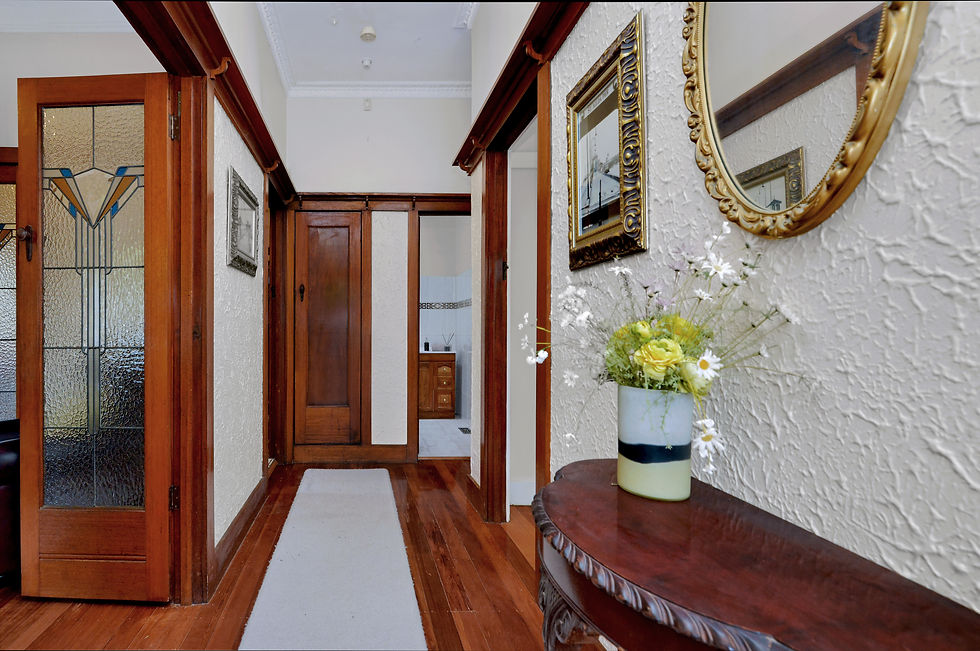
Photographer: John McGee
Creating a Sense of Scale and Space
African safari images often use wide-angle shots to show the vastness of the landscape, emphasizing the scale of the environment and the animals within it. This technique helps viewers appreciate the grandeur and openness of the setting.
In real estate imagery, showing scale is crucial for helping buyers understand room sizes and flow. Wide-angle lenses can capture entire rooms or outdoor spaces, but photographers must balance this with avoiding distortion. Including familiar objects like furniture or people in the frame provides reference points.
By thoughtfully using scale, real estate images can convey spaciousness or coziness as appropriate, helping viewers visualize themselves living in the space.

Photographer: John McGee
Bringing Emotion Through Composition
The composition of safari photos often follows principles that evoke emotion: leading lines that draw the eye, framing that isolates the subject, and balanced elements that create harmony. These techniques guide the viewer’s attention and create a mood.
Real estate imagery benefits from similar compositional choices. For example, framing a doorway to lead into a bright kitchen invites exploration, while placing a fireplace off-center can create a cozy focal point. Thoughtful composition helps images feel intentional and engaging rather than static.
Using these visual storytelling tools encourages potential buyers to connect emotionally with the property, increasing interest and engagement.

Photographer: John McGee
Final Thoughts on the Connection
The relationship between African safari adventures and real estate imagery lies in their shared goal: to tell a compelling story that draws people in. Both rely on capturing environment, light, detail, scale, and emotion to create images that do more than just show—they invite viewers to imagine, feel, and connect.

Photographer: John McGee
For real estate professionals and photographers, embracing lessons from safari photography can elevate listings from simple presentations to immersive experiences. This approach not only attracts more attention but also helps buyers form a deeper connection with the property, making it more likely they will take the next step.
As you consider your next real estate project or photo shoot, think about how you can bring the spirit of the African safari into your imagery. Focus on storytelling, context, natural light, and emotional composition to create images that truly stand out.
The journey from the wilds of Africa to the homes we live in reveals a powerful truth: great imagery connects us to place and possibility. Use this insight to transform your real estate visuals and inspire your audience.
It's been an absolute pleasure sharing these wonderful experiences with all my loyal customers, followers, connections, and dear friends, and thanks again for all your kind words.
And lastly, if your agency's visualisations don't stack up to your company profile/competitors' profile, or you are interested in improving the professionalism of your brand, or if that is something that you at least aspire to in the future, and you like what you see, then get in touch. Brand transformations via imagery are not as expensive as you may think...may even be more affordable than your current media supplier.
Kind Regards
John McGee
Photographer
Melbourne Property Photography

